author

Priya Nair
Interior Architecture Lead
Sustainable construction has an image problem. For too long, the word "sustainable" has been associated with a particular aesthetic — rough timber, exposed concrete, and a general sense that you're making a sacrifice in exchange for your ecological conscience. This simply isn't true anymore, and it hasn't been for some time.
The most sophisticated homes being built today are also among the most sustainable. The two goals — beauty and environmental responsibility — are not in tension. In fact, they often reinforce each other.
Why Sustainability and Good Design Are Natural Partners
Many of the principles that make a home sustainable also make it better to live in. Passive solar design — orienting a home to maximise winter sun and minimise summer heat — reduces energy bills and creates naturally comfortable living environments. High-quality insulation keeps homes quieter as well as more thermally stable. Durable materials require less maintenance and look better over time.
When you design a home with longevity in mind, you're inherently designing a more sustainable home. A house built to last a hundred years has a fundamentally different environmental footprint from one built to last twenty.
Materials That Work Hard
The material choices in a home have a significant impact on both its environmental credentials and its aesthetic character. Some materials we consistently advocate for:
Rammed earth and compressed earth blocks — exceptional thermal mass, low embodied energy, and a warmth and texture that no synthetic material can replicate
Reclaimed timber — carries the character of age while avoiding the environmental cost of new timber
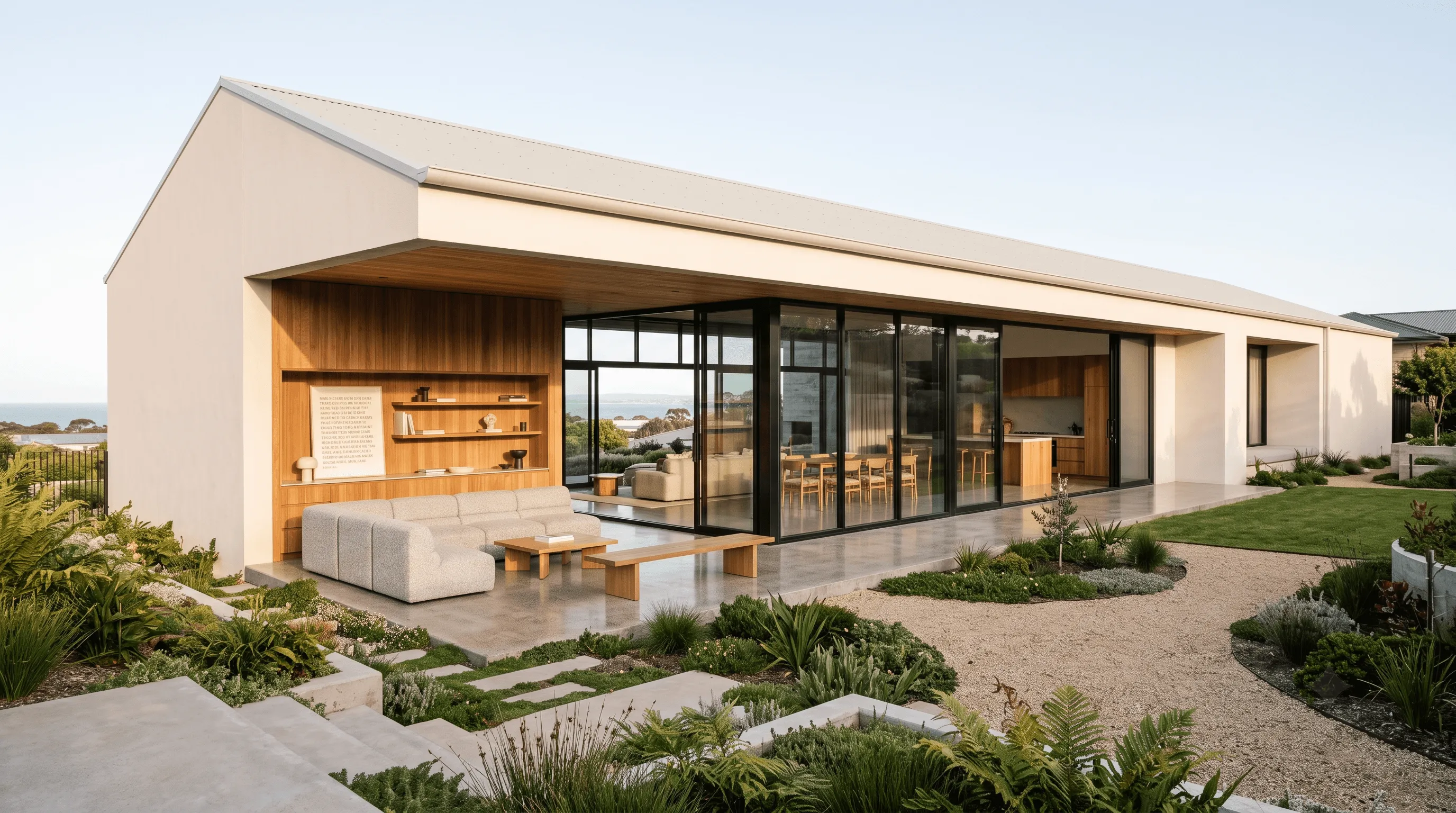
Polished concrete floors — durable, low-maintenance, and excellent for passive heating when positioned correctly relative to north-facing glass
Locally sourced stone — reduces transport emissions and connects the home to its landscape
Fibre cement and metal cladding — long-lasting and low-maintenance exteriors that hold their look across decades
What these materials share is durability. Sustainability isn't only about what a material is made of — it's also about how long it lasts and how little it needs to be replaced.
Passive Design Principles
Before reaching for solar panels or rainwater tanks, the most impactful sustainable decision you can make is in the orientation and layout of your home. A well-oriented home in most Australian climates can reduce its heating and cooling energy by 50–80% compared to a poorly oriented equivalent.
The core principles are straightforward:
Face living areas north to capture winter sun and allow it to warm concrete or tile floors that release heat slowly through the evening
Design appropriate eaves that shade north-facing glass in summer when the sun is high, but allow penetration in winter when the sun is lower
Minimise east and west-facing glass which creates glare and heat gain without the compensating thermal mass benefit
Cross-ventilate by ensuring openings on opposite sides of the home to allow prevailing breezes to flow through
These principles cost nothing extra to implement — they simply require a design team that takes them seriously from the start.
Technology as Support, Not Substitute
Solar panels, battery storage, rainwater harvesting, greywater recycling, and heat pump systems all have an important role to play in a sustainable home. But they work best when they're supporting a home that's already well-designed, not compensating for one that isn't.
A well-oriented, well-insulated home with good passive design might need a modest 6kW solar system to be effectively net-zero. A poorly designed home might need twice that to achieve the same result.
At Denvra, we start with passive principles and layer technology on top — not the other way around.
The Style Question
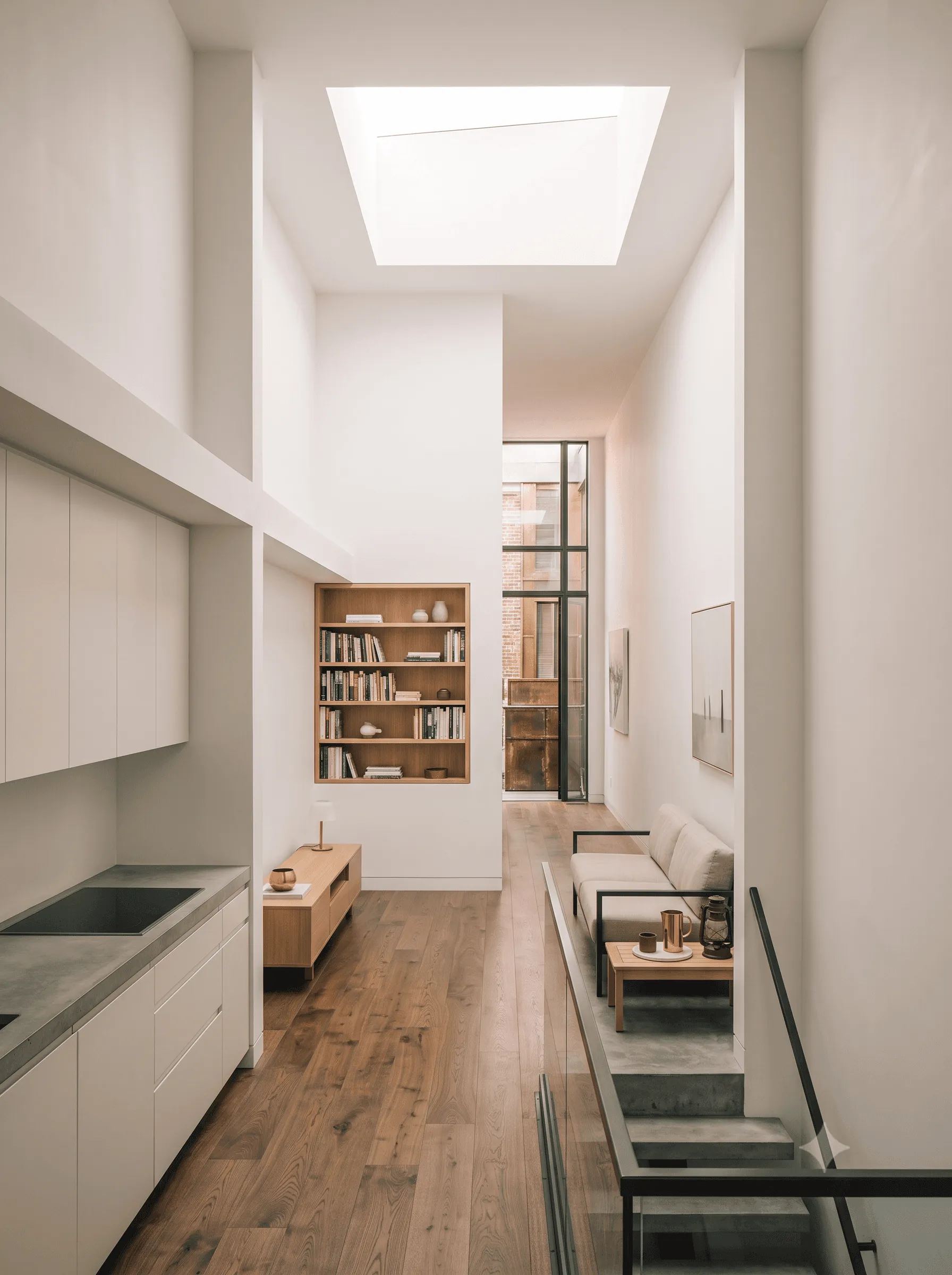
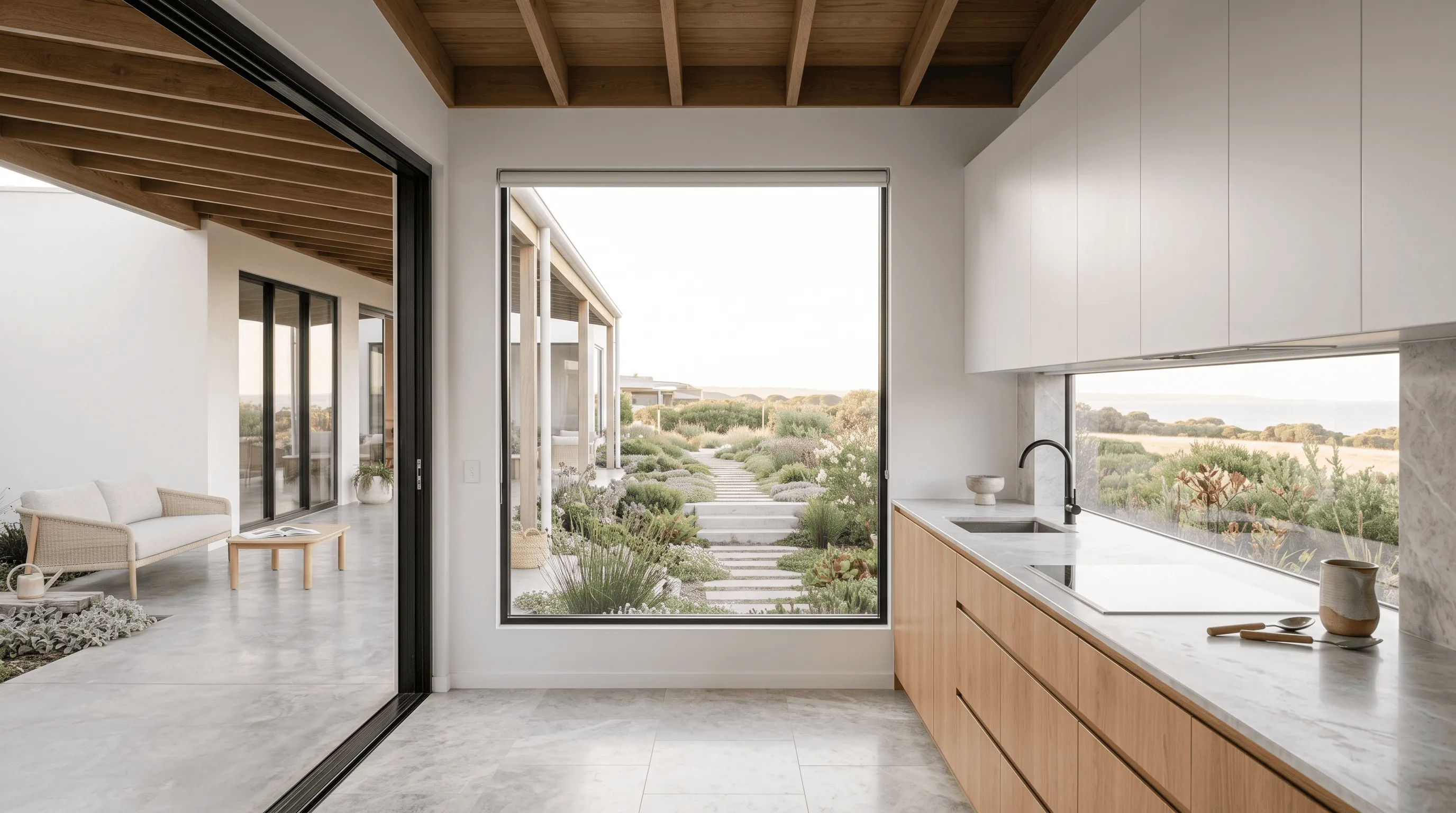
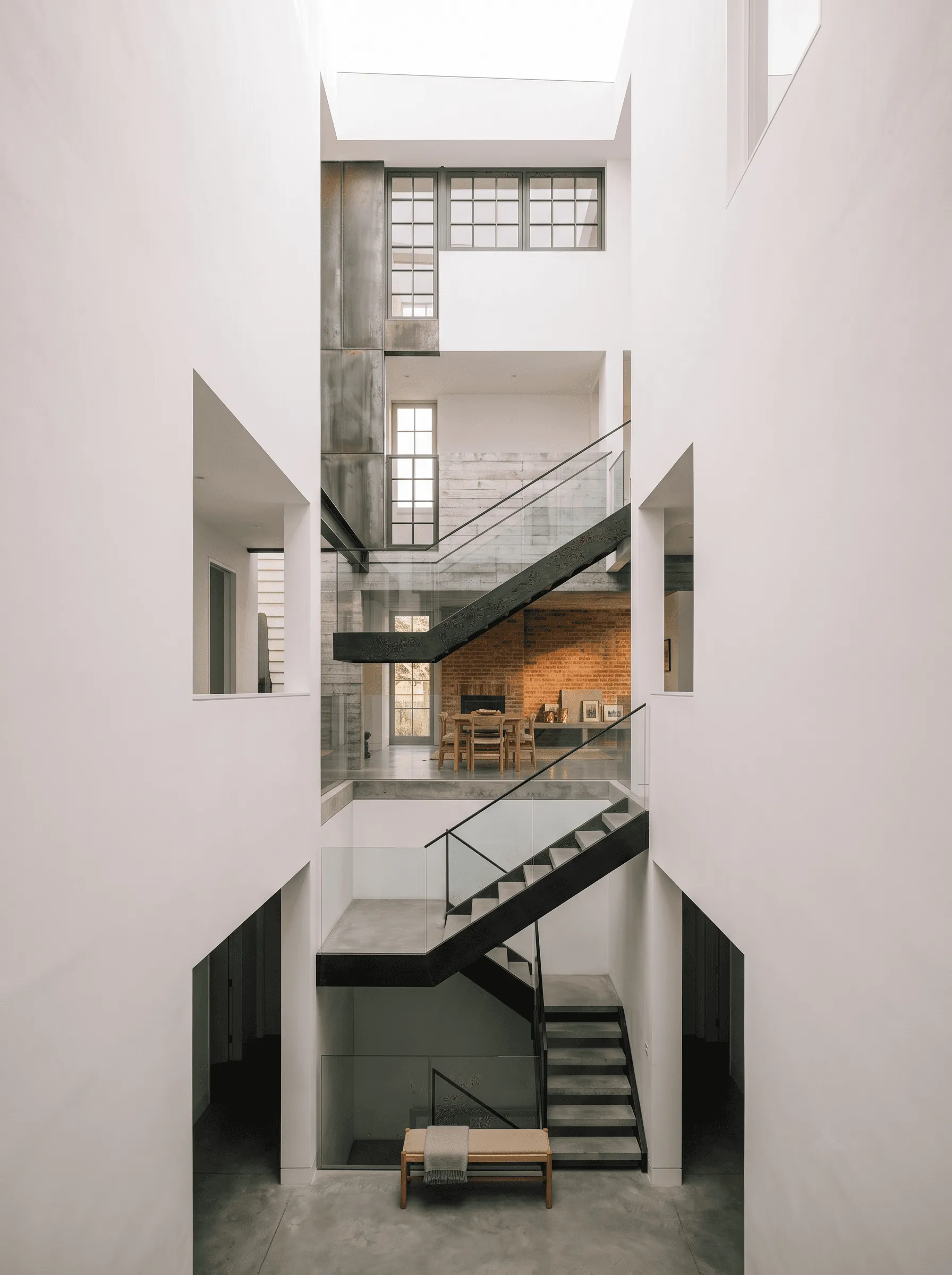
Finally, to the image problem we started with: sustainable homes today look like this — raked ceilings, generous glazing, warm timber joinery, polished concrete, and considered materiality. They look, in other words, exactly like the homes that appear on the covers of architecture magazines. Because the best architecture and the most responsible architecture have converged. You no longer have to choose between them.