author

Luca Ferretti
Architectural Designer
When most people begin planning a new home, the first question they ask is: how big? How many bedrooms, how many bathrooms, how many square metres can we fit on this block? It's an understandable instinct — size feels like value. But the homes that endure, the ones that still feel right ten years after you move in, rarely begin with a number. They begin with a question: how do you actually want to live?
At Denvra, we've worked on homes across a wide range of scales and budgets. And the pattern we've noticed again and again is this — the clients who are most satisfied with their finished homes are the ones who spent the most time thinking before anything was drawn. They thought about light. About how mornings feel. About whether they entertain often or prefer quiet evenings. About whether their children need space to be loud or whether the home needs to absorb the noise of a busy working life.
This kind of thinking — slow, honest, and unhurried — is what we call starting with silence. It means resisting the urge to fill every room before you've understood what the rooms are for.
The Problem With Building for Now
Most construction briefs are written for a snapshot in time. You need three bedrooms because you have two kids and an occasional guest. You want an open plan living area because that's what modern homes have. You want a double garage because you currently own two cars. All of this makes complete sense today. But homes are long-term investments, and life changes in ways you can't predict.
Children grow up and leave. Cars get sold. Work habits shift — particularly in the post-pandemic world where home offices went from optional to essential almost overnight. A home designed too specifically for a single moment in your life can feel dated or awkward within a decade.
Good architecture anticipates this. It builds in flexibility — not through gimmicks like convertible furniture, but through proportions and planning that allow rooms to change purpose without requiring renovation.
What Silence in Design Actually Means
When we talk about starting with silence, we mean a few specific things:
Restraint in material choices — using fewer materials and using them consistently creates homes that feel calm and coherent rather than busy and trendy
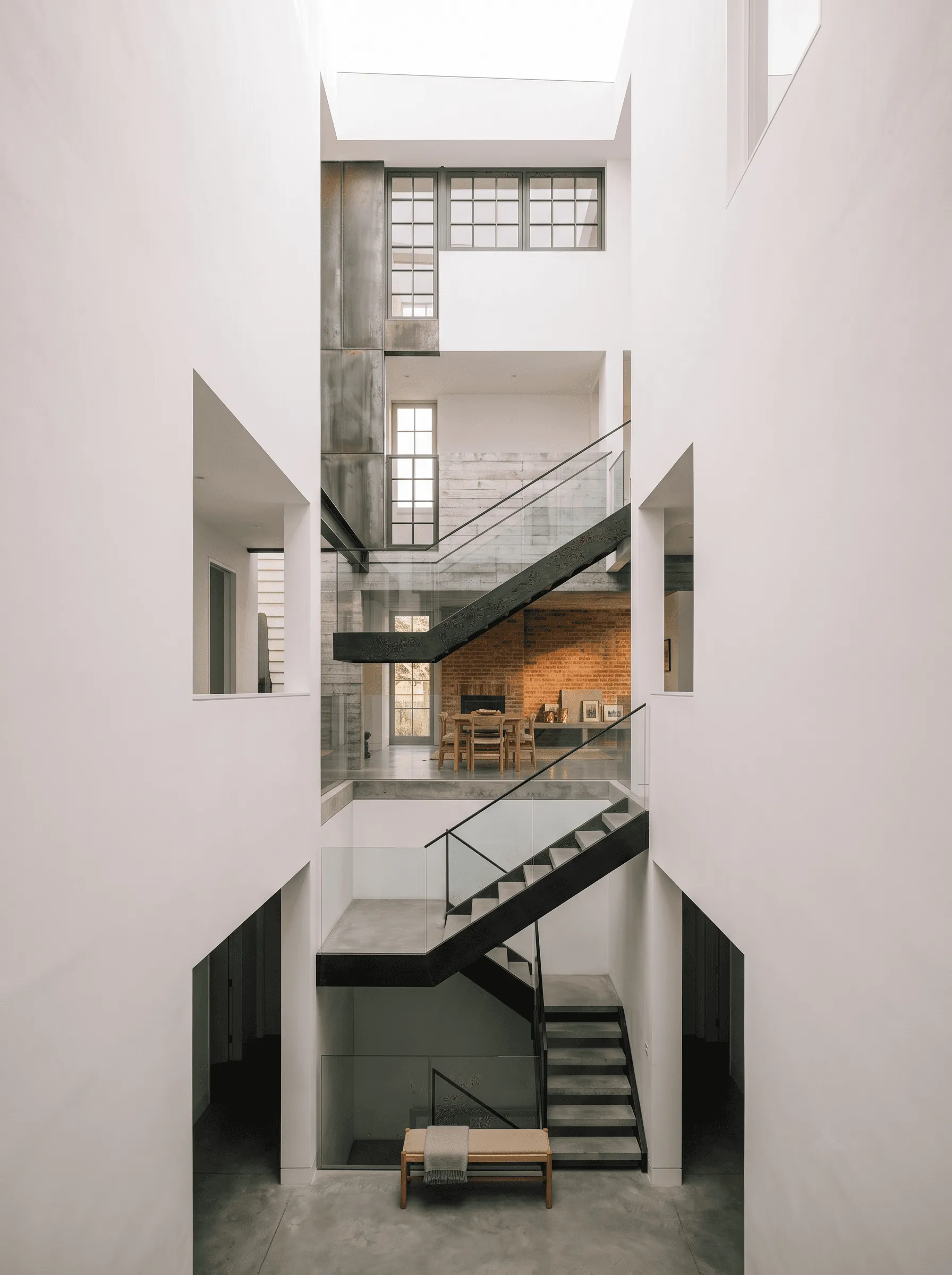
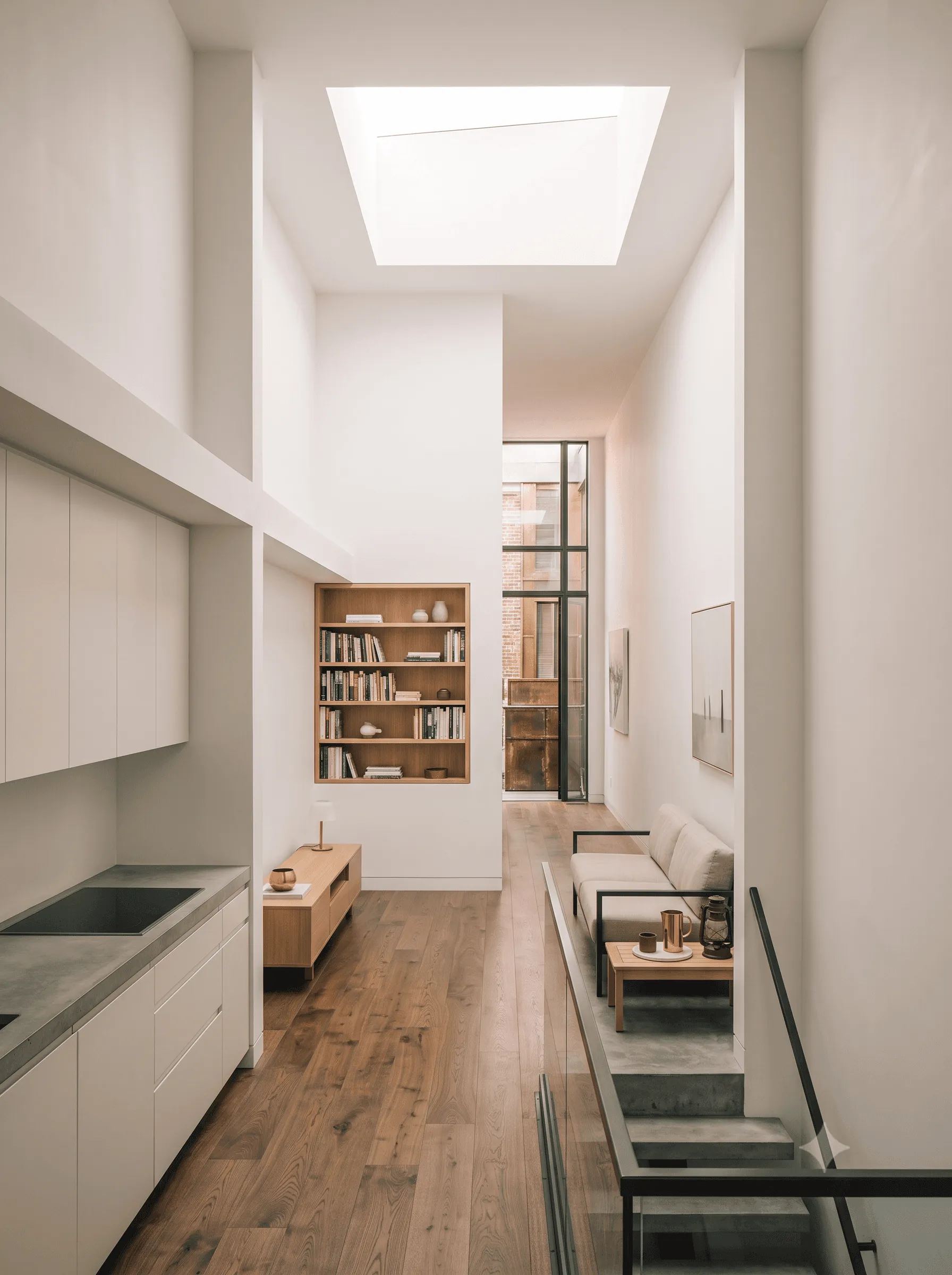
Considered negative space — the empty parts of a room are as important as the filled parts; a generous hallway or an uninterrupted wall can carry more weight than any feature piece
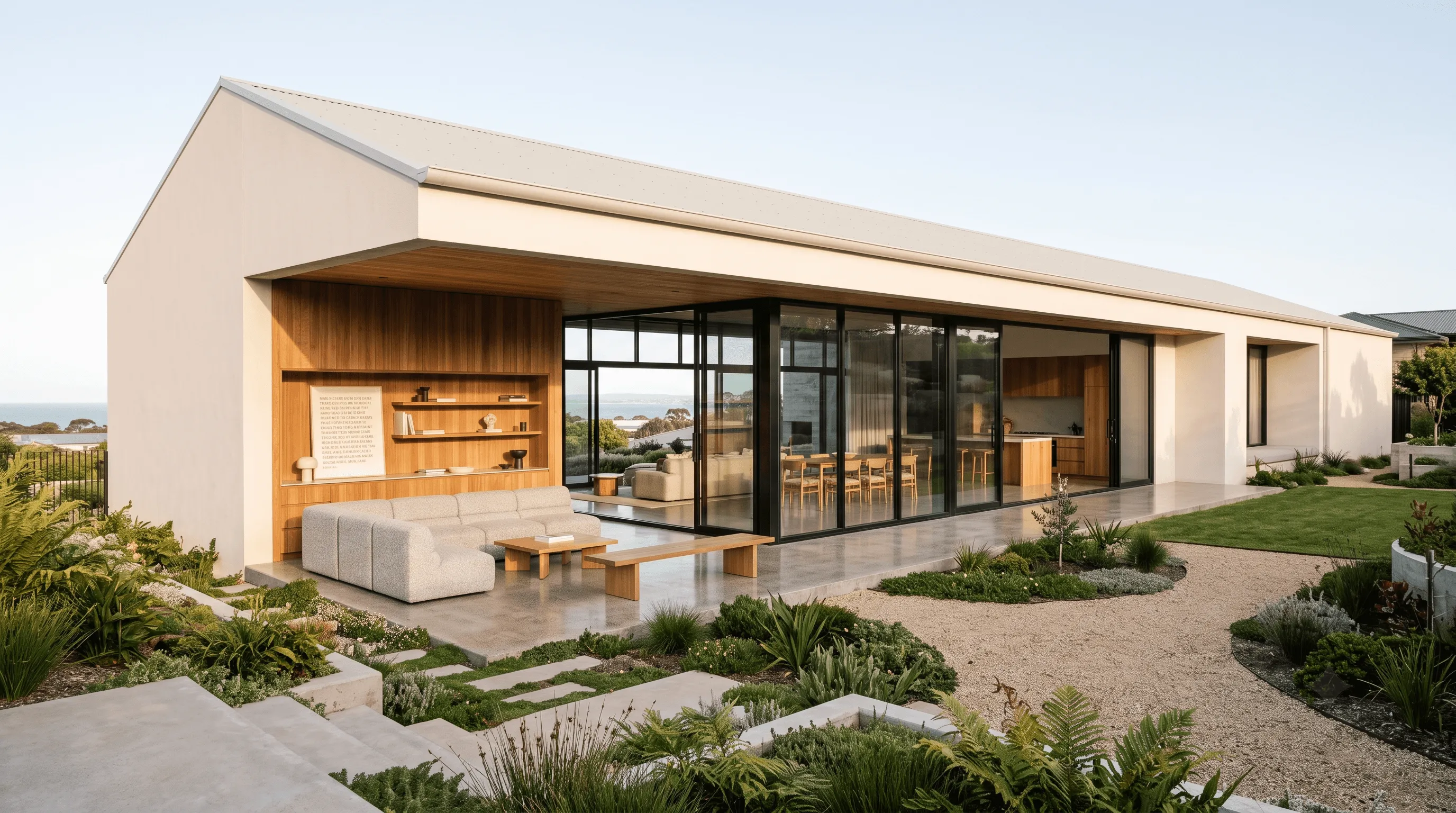
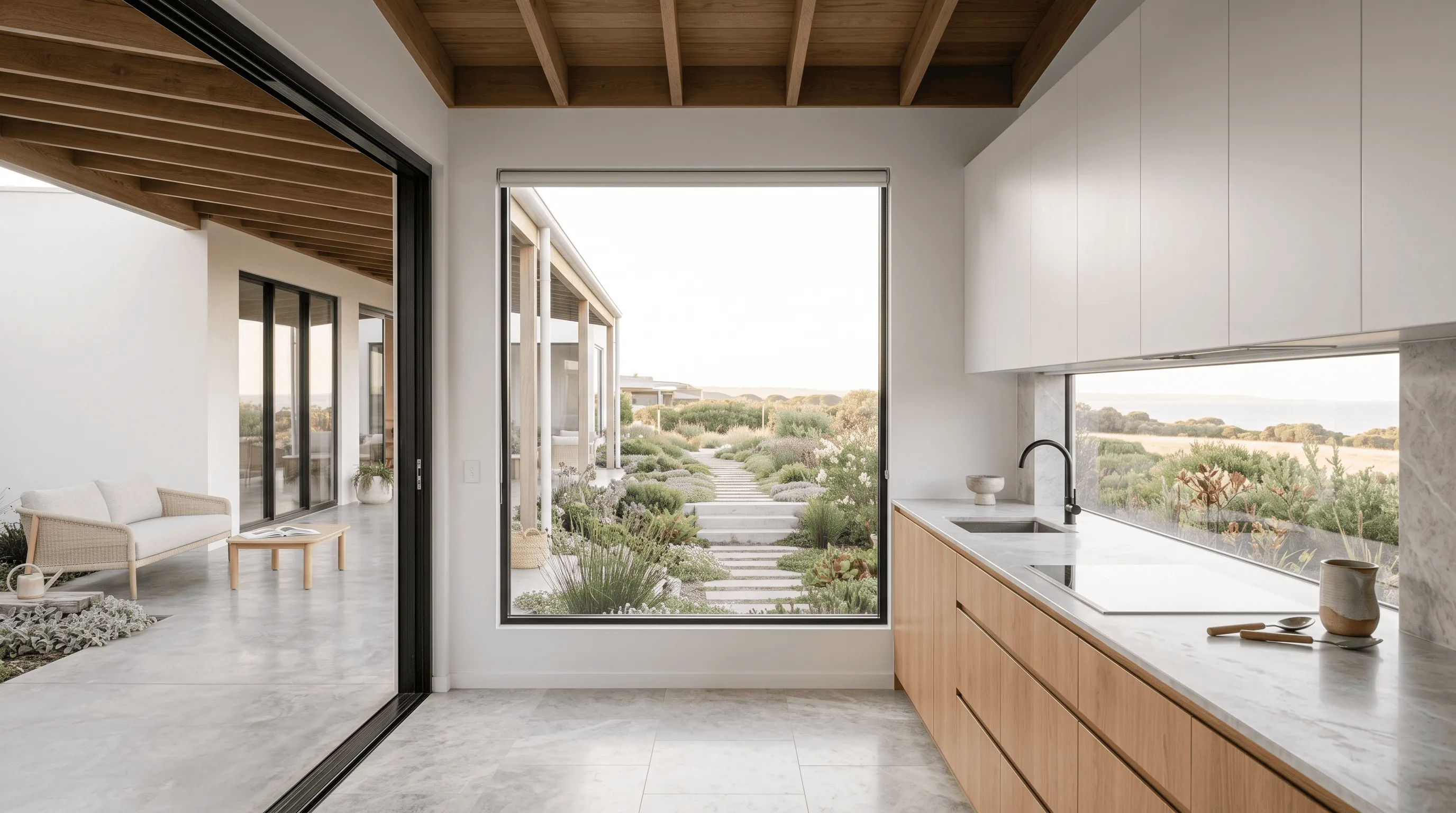
Deferring to the land — the best homes respond to where they sit. The direction of light, the slope of the block, the view from each room — these should shape the design, not fight against it
Editing the brief — sometimes the most valuable thing an architect can do is remove something from a client's wishlist, not add to it
The Homes We Remember
Think about the spaces that have stayed with you. A grandmother's kitchen. A favourite hotel room. A friend's living room that you always felt immediately comfortable in. Chances are, none of these spaces were particularly large. They were probably well-lit, simply furnished, and had a clear sense of purpose. They didn't try to impress — they just worked.
That's the standard we hold ourselves to at Denvra. Not the homes that look best in a photoshoot, but the homes that feel best to live in, day after day, year after year.
How We Apply This Approach
Every Denvra project begins with an extended briefing process that covers far more than room counts and site boundaries. We ask about daily routines. We ask about what you loved and what you hated about every home you've lived in before. We ask about light preferences — do you wake up well or do you need the morning sun to ease you in? We ask about noise, about privacy, about the relationship between indoors and outdoors.
Only once we feel we genuinely understand how a family lives do we begin putting pencil to paper. And when we do, the design tends to emerge more clearly and with less revision — because it's rooted in something real.
The Result
Homes built this way have a quality that's hard to name but easy to feel. They're not trying to be anything other than what they are. They don't shout. They don't perform. They simply provide the right environment for the life being lived inside them.
That, more than any material or style or square metre count, is what makes a home worth building.
If you're at the start of a new build and you're not sure where to begin, start with silence. Sit with the questions before you reach for the answers. The design will be better for it — and so will the home.