author

Isabelle Marchand
Founder & Principal, Denvra Studio
Every home has a character — a quality that makes it feel like itself rather than like every other home. Some homes have it immediately. Others feel like they're trying to have it. The difference usually comes down to a handful of critical decisions that were either made with intention or made by default.
Here are the five decisions we believe define a home's character more than any other.
1. The Relationship Between Indoor and Outdoor
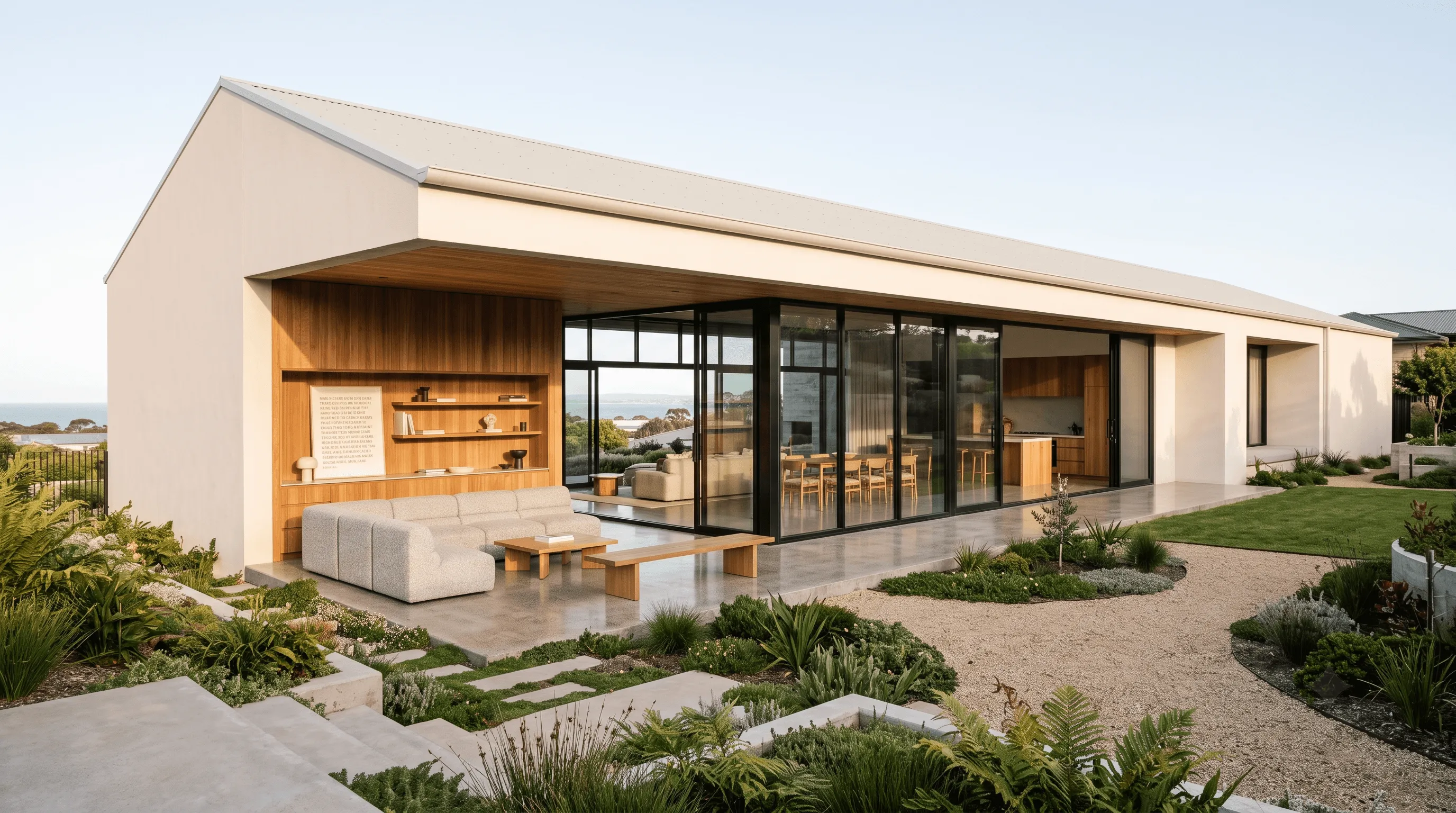
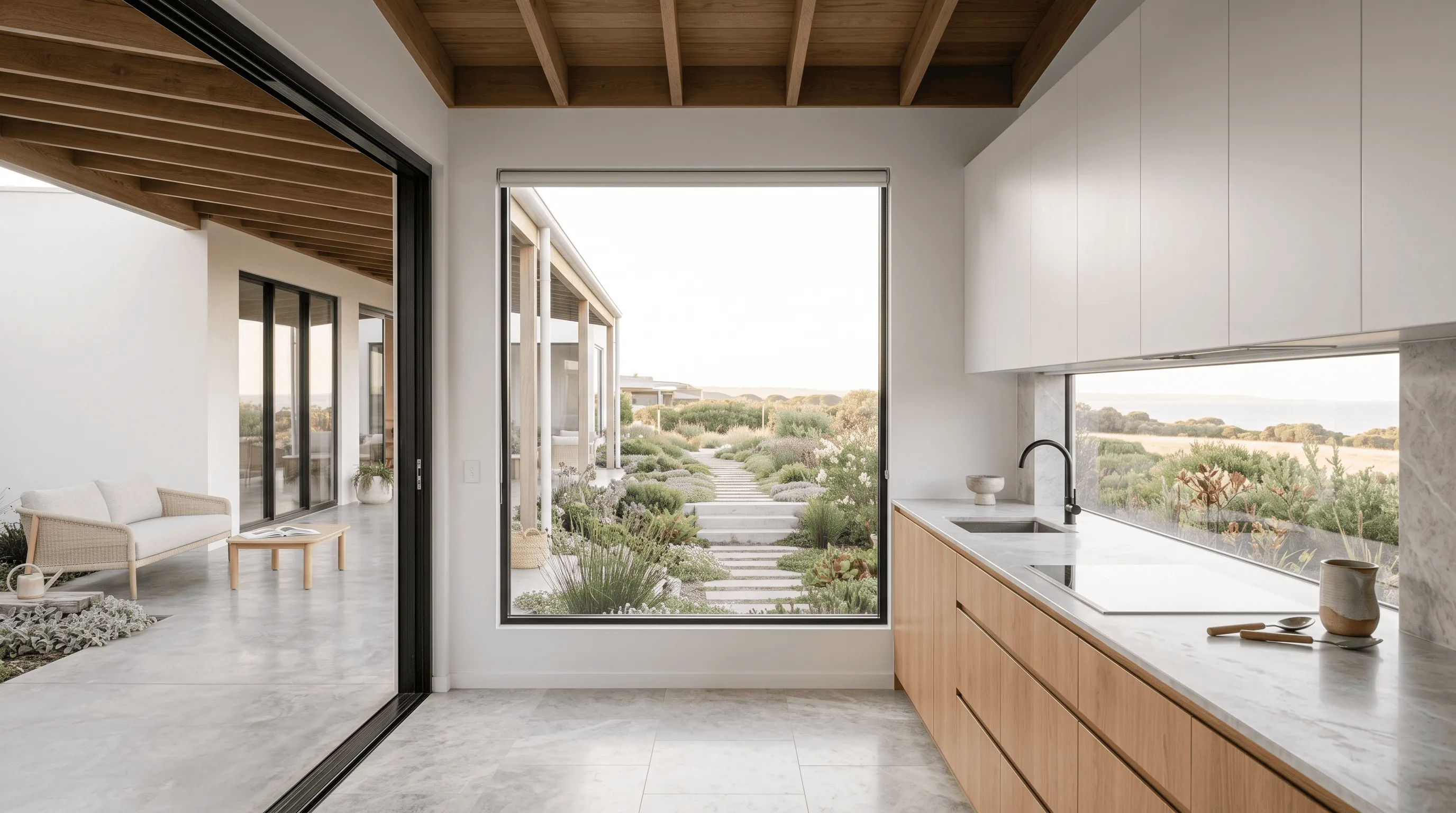
The single most defining characteristic of a contemporary Australian home is how it connects to the outside. Does it open generously? Is the threshold between inside and outside sharp or blurred? Do you step out or slide out? Can you hear the garden from the kitchen?
This relationship isn't just aesthetic — it fundamentally changes how a home feels to live in. Homes that open well feel larger, calmer, and more connected to nature. They also tend to be better naturally ventilated and lit.
Get this decision right early in the design process, because it shapes everything that follows.
2. The Ceiling Height Strategy
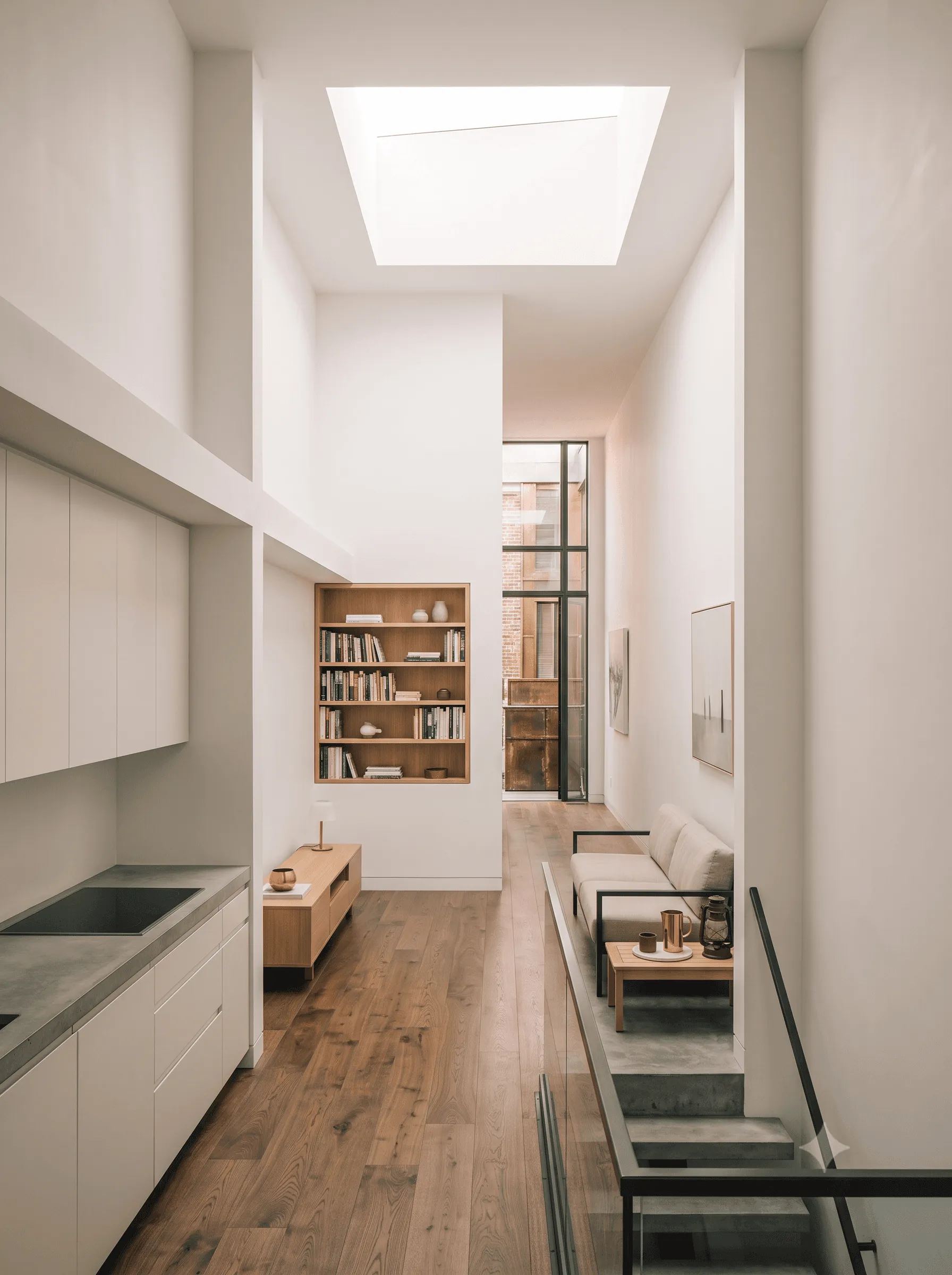
Ceiling height is one of the most underrated variables in residential design. A change of even 200mm in ceiling height changes the feeling of a room dramatically. But the most sophisticated approach isn't simply to make all ceilings as high as possible — it's to vary them intentionally.
Lower ceilings in intimate spaces like bedrooms and studies create enclosure and calm. Higher ceilings in living and dining areas create a sense of occasion. A raked ceiling that rises toward a view draws the eye outward. These decisions, made deliberately, create a spatial journey through the home that makes it feel alive.
3. The Primary Material
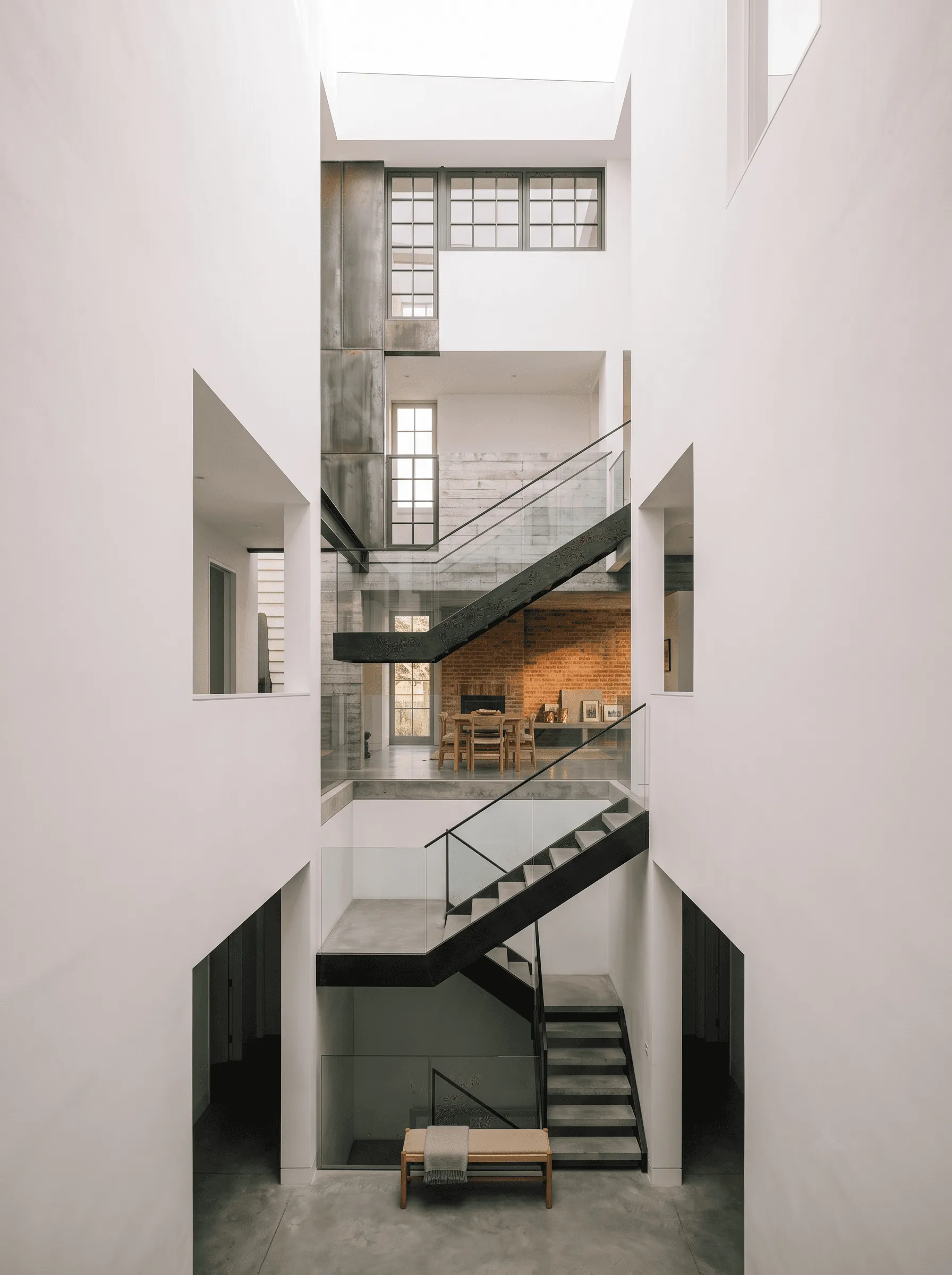
Every home that has a strong character has a primary material that it commits to — one material that appears consistently enough to give the home coherence. This might be a particular brick, a stone, a timber, or a rendered finish. It doesn't need to be expensive. It needs to be chosen with conviction and used consistently.
Supporting materials should complement the primary without competing with it. The discipline to resist adding "just one more material" is one of the marks of a confident designer.
4. The Light Strategy
Where does the light come from, and at what time of day? These questions should be asked of every room during design. A bedroom that catches morning light wakes you gently. A kitchen that faces north stays bright through cooking hours. A living room with afternoon western light can be made comfortable with the right external shading.
Beyond orientation, the quality of light matters: diffuse light from a skylight, direct light through a large window, borrowed light through an internal glazed wall. Each creates a different atmosphere.
5. The Sequence of Entry
How you enter a home determines your first impression of everything that follows. A generous entry that reveals the home gradually — perhaps through a compressed entry hall that opens suddenly into a large living space — creates a memorable spatial experience. A front door that opens directly into a living room robs you of that transition.
Entry sequences are often the first thing cut during value-management exercises, and they are almost always a mistake to cut. The five metres from your front door to your living room are among the most important five metres in the home.
Get these five decisions right, and everything else in the home follows more naturally.